

Underfloor heating has become a desirable feature in many modern homes, offering efficient warmth and a sleek finish by removing the need for bulky radiators. But one of the key considerations before installation is flooring choice. Many homeowners ask whether underfloor heating can work beneath every type of surface and while it’s a versatile system, some materials are far more suitable than others. Understanding how different flooring types respond to heat can help you achieve the perfect balance of comfort, performance, and energy efficiency.
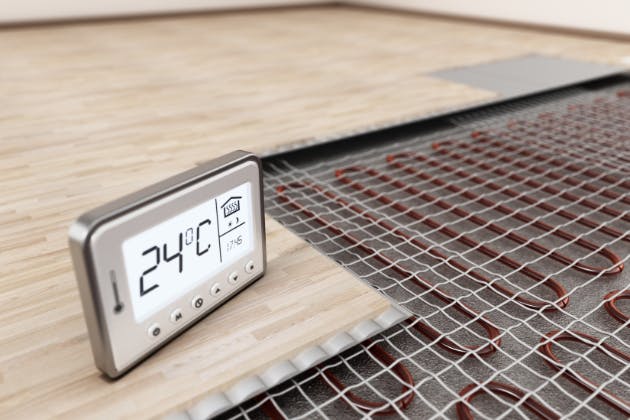
Matching Underfloor Heating Systems with the Right Flooring
Underfloor heating can be installed beneath almost any floor, but how well it performs depends on how efficiently the floor conducts and retains heat. Tile, stone, and engineered wood tend to perform best, while carpets and solid wood require a bit more planning. By understanding your options, you can ensure your home benefits from even, consistent warmth all year round.
When installing underfloor heating in Poole, Dorset, or Bournemouth, professional guidance is essential to assess floor construction, insulation, and system type before deciding on the best flooring material.
Tile and Stone Flooring
Tile and natural stone are widely recognised as the most efficient partners for underfloor heating. These materials have excellent thermal conductivity, allowing heat to rise quickly and spread evenly across a room. They also store warmth well, meaning the surface stays comfortably warm long after the system turns off.
Whether it’s porcelain, ceramic, or limestone, stone flooring is an excellent choice for kitchens, bathrooms, and open-plan living areas where constant, steady warmth is desirable. Pairing underfloor heating with stone can even help reduce energy bills by maintaining a stable temperature with less system demand.
Laminate and Engineered Wood Flooring
Laminate and engineered wood are both practical and attractive flooring options that work well with underfloor heating, provided the right products are chosen. Engineered wood, in particular, is ideal as it’s more stable than solid wood, reducing the risk of warping or splitting when exposed to heat changes.
It’s important to check the manufacturer’s temperature recommendations, which usually cap the surface temperature at around 27°C. Thinner boards conduct heat more effectively, so opting for engineered wood between 14mm and 18mm thick helps maintain comfort and efficiency.
Vinyl and Luxury Vinyl Tile (LVT)
Vinyl and LVT have become increasingly popular in recent years for their realistic finishes, affordability, and resilience. They’re compatible with both electric and water-based underfloor heating systems when fitted properly. However, because vinyl is more heat-sensitive than tile or wood, the heating temperature should not exceed 27°C to prevent discolouration or damage.
Using a suitable underlay can help distribute heat evenly and prolong the life of the floor. Vinyl is particularly effective in bathrooms or living areas where a softer, quieter surface is desired without compromising on warmth.
Carpet Flooring
Carpet can absolutely be used with underfloor heating, though it’s less thermally efficient than hard flooring. The key is choosing a carpet and underlay combination that allows sufficient heat transfer. Together, they should not exceed a 2.5 tog rating — otherwise, the insulation will trap heat below the surface.
Wool and synthetic blends with low tog values are best suited, providing a cosy feel without blocking the heat. Carpeted rooms benefit from underfloor heating’s ability to distribute warmth evenly, avoiding cold patches often experienced with traditional radiators.
Solid Wood Flooring
Solid hardwood is one of the trickier materials to pair with underfloor heating due to its sensitivity to moisture and temperature changes. Excessive or uneven heating can cause expansion, contraction, or cracking. However, with careful control and professional installation, it’s still possible to achieve beautiful results.
To protect your investment, consider wider boards and stable species such as oak or maple, and ensure the system’s temperature settings remain consistent. Many homeowners prefer to opt for engineered wood instead, which offers the same look but with improved heat compatibility and resilience.
Factors to Consider Before Installing Underfloor Heating
Before committing to an installation, a few important factors should be discussed with your heating specialist:
- Floor insulation: High-quality insulation boards help reduce heat loss and improve efficiency.
- Heating system type: Electric systems tend to suit renovations and smaller areas, while water-based systems are ideal for new builds and large spaces.
- Floor thickness: Thicker floors will take longer to heat but can retain warmth longer once heated.
- Room layout: The amount of furniture and overall design can influence how heat spreads throughout the space.
- Professional installation: Always use experienced heating engineers to ensure safe and efficient installation.
Taking these steps will help ensure that your underfloor heating system performs optimally for years to come, regardless of the flooring material you choose.
Your Local Experts for Underfloor Heating in Poole, Dorset and Bournemouth
If you’re considering upgrading your home with underfloor heating in Poole, Dorset, or Bournemouth, Wood & Williams Plumbing & Heating is here to help. Our skilled team designs and installs efficient underfloor heating systems tailored to your property and flooring type, ensuring long-lasting comfort and energy savings. Call us today to discuss your project or fill out our online contact form to arrange a consultation.