

A well running heating system depends on radiators that can circulate hot water freely. When air becomes trapped inside, the radiators heat unevenly and your boiler is forced to work harder than it should. Learning how to bleed your radiators is a simple home task that can improve comfort, reduce noise and support overall system efficiency.
Keeping Your Heating System Running Smoothly
Bleeding radiators helps remove pockets of trapped air that stop warm water from filling the entire panel. This improves heat output across your home and reduces the strain on your boiler, especially during the colder months.
Once air is removed, radiators warm more evenly, unwanted gurgling noises disappear and your rooms reach temperature faster. It is a straightforward process that most homeowners can complete with the right steps and a little preparation.
When Should You Bleed Your Radiators
If your radiators feel cold at the top but warm at the bottom, this usually indicates trapped air. You may also notice bubbling sounds or slower heating times. These changes often become more noticeable after long periods of inactivity or following system work such as refilling or repairs. Checking your radiators at the beginning of each heating season is a useful habit that helps prevent performance issues.
What You Will Need For The Job
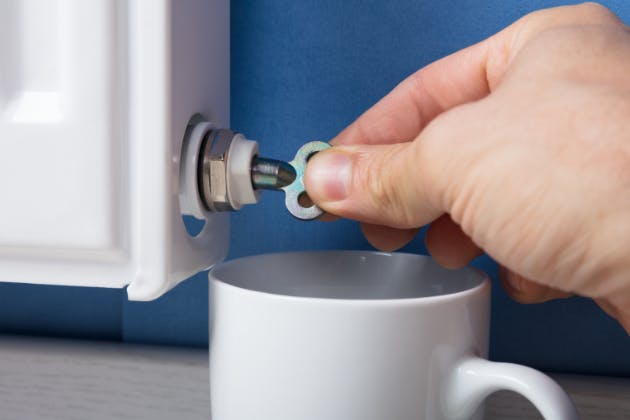
Before you begin, make sure you have a radiator key, a cloth or small container to catch water, and access to each radiator valve. It is best to switch your heating off and allow radiators to cool slightly, as this avoids the risk of hot water escaping during the process. A little preparation goes a long way towards keeping the process safe and clean.
Step by Step Guide To Bleeding A Radiator
- Turn off your heating and wait for the radiators to cool.
- Place a cloth or small container beneath the bleed valve.
- Insert the radiator key into the valve and turn it slowly anticlockwise.
- You will hear a hissing sound as the air escapes.
- Once water begins to flow steadily, tighten the valve back up.
- Repeat the process on each radiator in your home.
- Once finished, turn your heating back on and check that all radiators heat evenly.
If any radiators remain cold after bleeding, there may be a deeper circulation issue that requires professional support.
Common Issues To Look Out For
Sometimes a radiator will not heat properly even after bleeding. This might indicate sludge build up, a sticking valve or imbalanced system pressures. If you notice persistent cold spots or slow heating, your boiler could also be struggling to push heat around the system effectively. In these situations, a trained engineer can assess whether system cleaning, balancing or a boiler check is needed.
Need Help With Your Heating in Poole, Bournemouth and Wimborne
Wood & Williams Plumbing & Heating offers friendly and reliable support for all heating issues. If bleeding your radiators has not solved the problem or your home still feels colder than it should, our team can help. We provide expert diagnostics and safe boiler repairs in Poole, Bournemouth and Wimborne, ensuring your heating system runs smoothly and efficiently. Call us today or fill out our contact form to arrange a visit.