

When a pipe bursts or a fitting starts pouring water, the most useful thing you can know is where your stopcock is and how to use it. A few minutes of preparation now can save thousands of pounds of damage later on.
Quick checklist: where to look first
Your main stopcock (or stop tap) controls the incoming cold water from the mains. In most UK homes it will be indoors, close to where the water pipe enters the property.
Under the kitchen sink: This is the most common location in houses. Look at the back of the cupboard for a brass or plastic tap on a pipe coming up through the floor or wall.
Utility room: Check low down on the wall, often near the washing machine or where pipework is exposed.
Understairs cupboard: Look along the skirting or in corners where pipes run vertically.
Near the front door or water meter: The stopcock is often close to where the mains pipe enters, which can be by the front door, hallway or just inside a garage.
Flats and apartments: Your main valve may be in a communal riser cupboard, corridor cupboard, or in a panel just outside your front door.
If you cannot see anything that looks like a stopcock at first glance, follow visible pipework from the point it enters the home and check nearby cupboards and access panels.
Finding the outside stop tap or meter box
Most properties also have an external stop tap on the pavement or driveway, sometimes combined with the water meter. It is usually in a small plastic or metal cover marked with "Water" or "W".
Lift the lid carefully and look inside. The tap may be below ground level, so a stopcock key or long-handled tool is useful. This valve is usually the water company’s, but it can be used to stop water in an emergency if the indoor valve will not turn.
How to test your stopcock safely
Once you think you have found the stopcock, it is important to test it before you actually need it. Do this when you have time and are not in the middle of a leak.
Turn on a cold tap in the kitchen or bathroom. Then gently turn the suspected stopcock clockwise a quarter to half a turn. The water at the tap should slow or stop, confirming you have the right valve. Turn the stopcock back anti-clockwise to restore the flow.
Dealing with stiff or seized valves
Stopcocks that have not been moved for years can be stiff. Try small, gentle movements rather than forcing it. If it will not move at all, stop before you damage the valve.
A plumber can often free up or replace a stiff stopcock before it fails completely. It is worth arranging this as planned maintenance, rather than leaving it until a pipe bursts at midnight.
What to do immediately after turning off the water
Once you have turned the stopcock fully clockwise to shut off the mains, you can take a few quick steps to reduce damage and protect your home.
Open cold taps on the lowest floor first to drain the pipework. Flush toilets once to let stored water out of the cisterns. This helps water in the system find its way to safe outlets rather than leaking through damaged pipework.
Protecting your heating and electrics
If the leak is near your boiler, cylinder or heating system, turn the boiler off at the controls and then isolate the power at the fused spur or switch next to it. This prevents the boiler running dry or shorting if water gets into electrics.
If water is near any electrical sockets, light fittings or the consumer unit, do not touch them. If it is safe to do so, turn off power to the affected circuit or the whole property at the consumer unit, then call a professional for advice.
Common mistakes to avoid in a leak
In the stress of a leak, it is easy to grab the first valve you see. Taking a moment to check what you are turning can prevent bigger problems.
Turning the wrong valve
Modern homes often have several valves close together. Some isolate individual taps or appliances, others control heating zones or outside taps. Your main stopcock is usually on the thicker incoming mains pipe, often before the pipework branches off.
If closing a valve does not slow water from a running cold tap, it is not the main stopcock. Turn it back to its original position and look for another valve.
Mixing up gas and water shut-offs
Gas meter valves are often in similar boxes to external water meters, which can cause confusion. A gas shut-off will usually be on pipework leading to a gas meter and may have a lever-style handle.
Never operate a gas shut-off unless you are sure there is a gas emergency. If you can see a glass or plastic meter dial labelled in cubic metres or cubic feet and references to gas, you are looking at the wrong box for a water leak.
Not isolating specific appliances
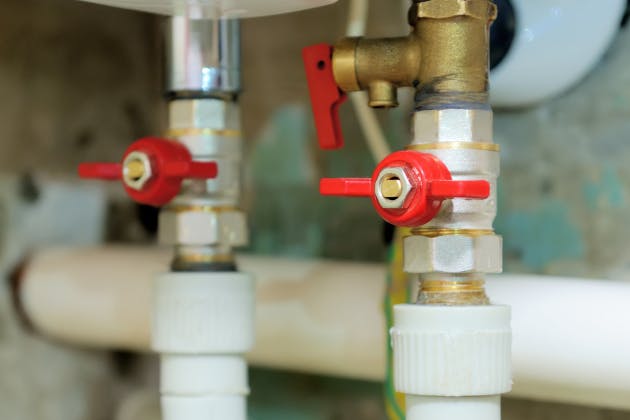
Many toilets, taps, washing machines and dishwashers have small isolation valves on the pipes feeding them. These usually have a little slot for a flat screwdriver or a tiny lever.
Turning these 90 degrees can stop water to that single appliance while leaving the rest of the house supplied. This is useful for slow leaks or repairs where you do not need to shut off the whole property.
Simple preparation for a future emergency
A few minutes of calm preparation makes it much easier to react quickly in a real leak. Once you have found your main stopcock and tested it, make it obvious for anyone else in the home.
Label the main stopcock clearly with waterproof tape or a tag.
Keep a stopcock key or suitable tool near the front door or under the sink.
Show other household members where the valve is and how to use it.
If you live in a flat, note the location of any communal stop valves and how to access them. It can also help to note your flat number and valve position on a simple sketch, so you are not guessing in the dark.
Need help if the stopcock fails?
If your stopcock will not turn, will not fully shut off the water, or you simply cannot stop the leak, it is time to call a professional. Leaving a faulty valve will only make the next emergency harder to manage.
Wood & Williams provides emergency plumbing and heating support. If you need urgent help with a leak, a seized stop tap or a replacement stopcock, contact our emergency plumbing and heating team at Wood & Williams on 01202 028 037 for calm, practical assistance.